CaptionThe presence of AI looms large over the female workforce. Image by Google Gemini
By Leonora Risse and Elise Stephenson, The Daily Star
As the impacts of artificial intelligence (AI) sweep across the labour force, it’s understandable for workers to be concerned about which jobs are most at risk of being replaced by technology.
Women make up the majority of workers in the care sector where human interactions matter most – child care, nursing and aged care. So, policymakers might reasonably presume that women’s jobs are largely shielded from the impacts of AI.
But our analysis of recent data from government agency Jobs and Skills Australia shows that it’s actually female-concentrated segments of the workforce that are most exposed to AI-fuelled automation.
Occupations most exposed to AI automation
Which jobs are most at risk?
The agency calculated an “automation exposure score” for every occupation in the workforce, measuring the potential for a worker’s tasks to be done by AI technologies.
Clerical and administrative jobs are among those with the highest automation exposure scores. This aligns with economists’ expectations that AI is well suited to alleviate human effort for repetitive routine tasks.
Yet this sector, which is highly exposed to automation, is also more than 70% female and provides almost one in five jobs for all women in the Australian workforce.
This gender pattern shows up when we look at the 20 top occupations most at risk of automation. 15 of these jobs are female-dominated. Of these, five would be classified as highly female-dominated, comprised of at least 80% women.
Secretaries, receptionists, bookkeepers, and accounting, human resources and payroll clerks are all among these top 20 occupations most at risk of being displaced by automation.
Occupations least exposed to AI automation
Only one occupation on this top 20 list is moderately male dominated: financial dealers. The remaining four are gender-balanced.
Contrast this to the 20 occupations that are least exposed to automation. Seventeen of these are male-dominated. Female-concentrated jobs make up just three of these jobs most sheltered from being displaced by AI.
Is AI already replacing these jobs?
A slowdown in job vacancy numbers could signal that these effects of AI are being felt in the economy.
Internet job vacancy data, also collected by Jobs and Skills Australia, shows that vacancies for many of these jobs highly exposed to automation have been shrinking over the past three years. And by a larger magnitude than the slowdown across the wider workforce.
For instance, vacancies for personal assistants and bookkeepers for the month of June 2026 were around 22% lower than at the same time a year earlier. Openings for general clerks were down by around 9%.
By comparison, total workforce vacancies were only around 1.7% weaker.
Among the occupations less exposed to AI, vacancies for concreters were up by 5.5%, while electricians were up by 14.3%.
Job vacancies for some roles have slumped
At this stage, trades and labourer jobs are less exposed to automation. These hands-on jobs still require human judgement and dexterity to navigate physical conditions that can be unpredictable and differ site by site.
Checking for blind spots
All kinds of groups – tech companies, governments, education providers and researchers – are trying to predict how AI will disrupt different jobs across the workforce.
Our analysis shows that unless we intentionally apply a gender lens, we could end up ignoring gender patterns in AI’s impacts.
The federal government already requires all new policy proposals to undergo a gender analysis. This requirement should therefore also apply to policies and decisions by the newly announced Office of AI.
In particular, applying a gender lens can inform the design of policies to support the labour market’s adaptation to and adoption of AI.
This puts us on the front foot to design smart policies to proactively address AI’s disruption, instead of waiting to respond after the fallout.
The presence of AI looms large over the female workforce. Image by Google Gemini
For instance, having detected the higher risk of these heavily female jobs to AI automation, we can set up systems to recognise the skills of clerical and administrative workers that can be easily transferred, to match them to new opportunities.
This could include the new and emerging jobs being created by AI, as well as human-centered jobs and tasks requiring critical judgement that AI can’t replace.
Applying this gender lens to Australia’s AI policies will support a dynamic, adaptive labour market hand-in-hand with a gender equitable economy.
This article was first published under the title “These 3 charts show female-dominated jobs are actually the most exposed to AI” in The Conversation, on August 9, 2026.
Leonora Risseis an Associate Professor of Economics at Queensland University of Technology.
Elise Stephensonis Deputy Director of the Global Institute for Women’s Leadership at Australian National University.
Related Posts
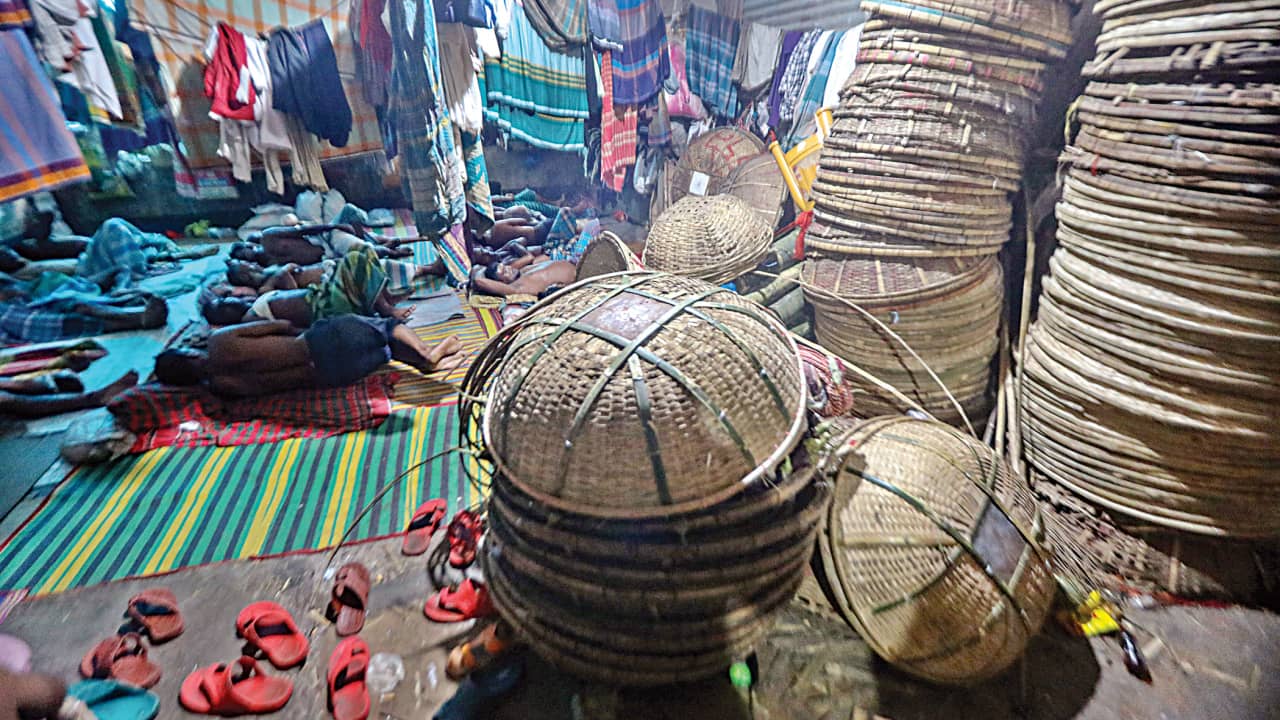
The invisible Mintis of Karwan Bazar
Every night, when most of Dhaka is winding down, Karwan Bazar comes alive. Trucks loaded with vegetables, fish and fruit crowd its narrow lanes, traders negotiate prices and buyers hurry to secure the day’s supplies
15 Aug 2026, 11:33 AM - Long Reads
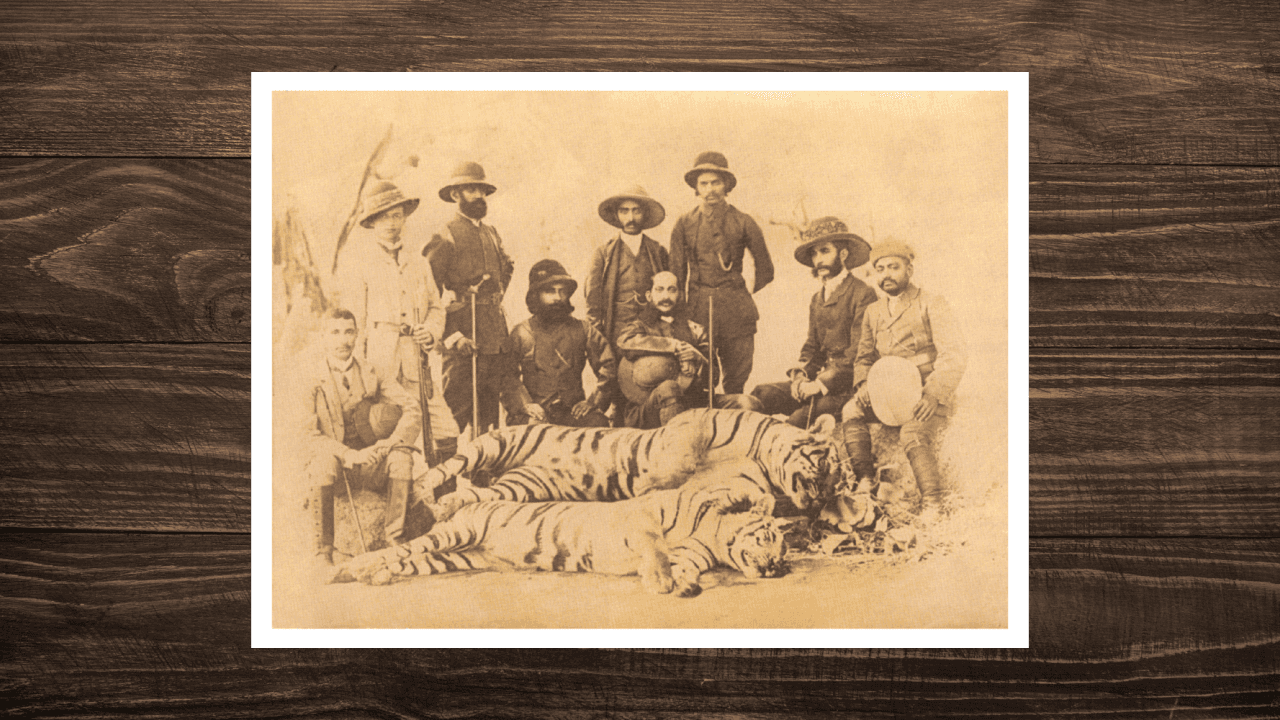
Bangladesh's visual history / The enduring allure of vintage photographs
It all started quite by accident. In 1981, while visiting the renowned Metropolitan Museum of Art in New York, USA, where the Festival of India was being held, I came across some remarkable vintage photographs of British India and the Princely States on display. As I stood transfixed in front of a large, attractive photograph of an Indian potentate of yore, a gorgeously attired old Maharajah who stared balefully at the camera, a thought struck me. Would it be possible to locate, retrieve, collect, identify, faithfully restore and research vintage photographs in Bangladesh? I was, of course, aware that, given the climatic conditions in our deltaic country, which are averse to any sort of preservation, let alone the survival of vintage photographs, it would be very difficult to find them in good condition.
15 Aug 2026, 11:28 AM - Long Reads
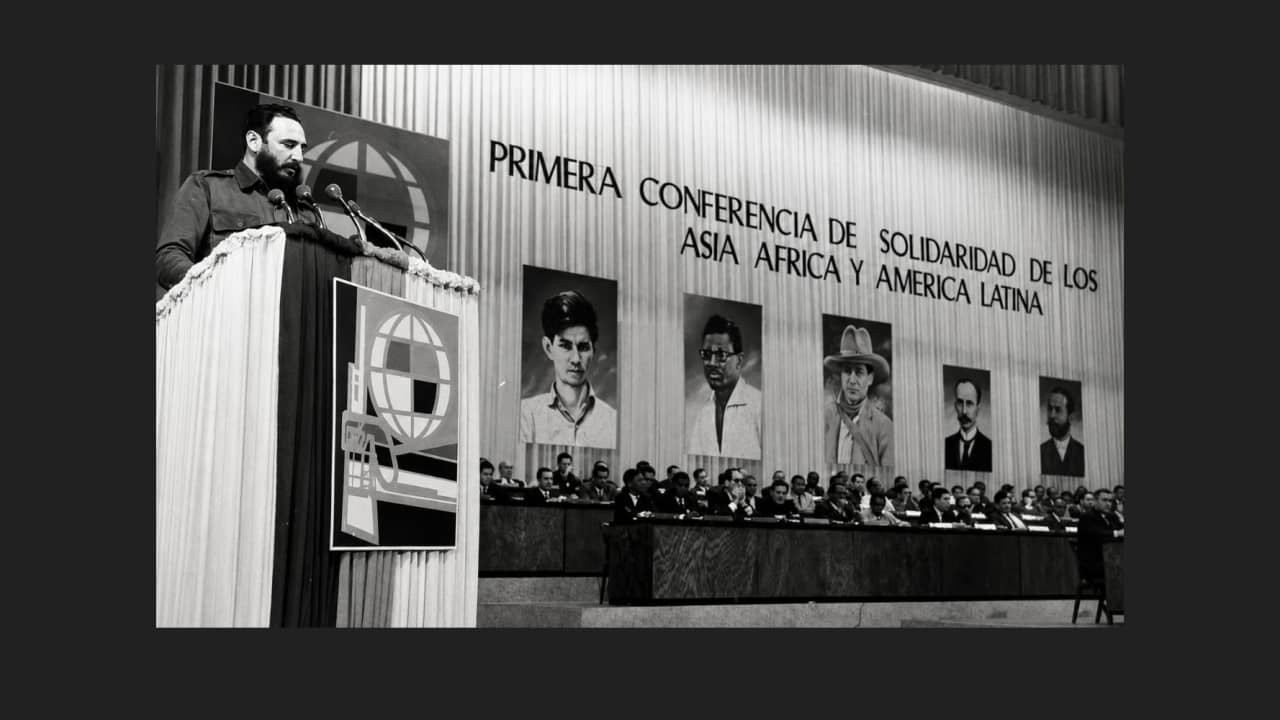
Fidel Castro at 100 / Why Fidel Castro’s legacy still haunts Washington
Fidel Castro would have been amused by an unexpected encomium from the belly of the beast on the eve of his birth centenary. Even the title of last month’s US State Department 100-page diatribe, Cuba: The Capital of 21st Century Communism, could be interpreted as a tribute. Like much else in a report intended to make the case for state capitulation or capture, this is an egregious exaggeration. The idea, obviously, is to illustrate how a small Caribbean island has posed an unacceptable threat to US ‘national security’ for nearly 70 years, and why that nuisance must be eliminated. Yet the supporting text is not mere fiction. Chunks of it could be read as an explanation for why Cuba proved so influential internationally in the decades after the 1959 revolution spearheaded by Castro.
15 Aug 2026, 11:23 AM - Long Reads
More From This Reporter
2 hrs ago - Opinion
Southeast Asia’s Border Disputes: Wars in Waiting?
15 Aug 2026, 11:23 AM - Long Reads
Fidel Castro at 100 / Why Fidel Castro’s legacy still haunts Washington
15 Aug 2026, 11:17 AM - Opinion
Post July uprising, Bangladesh has rediscovered 1947 – but forgotten those uprooted by Partition
15 Aug 2026, 11:10 AM - Feature
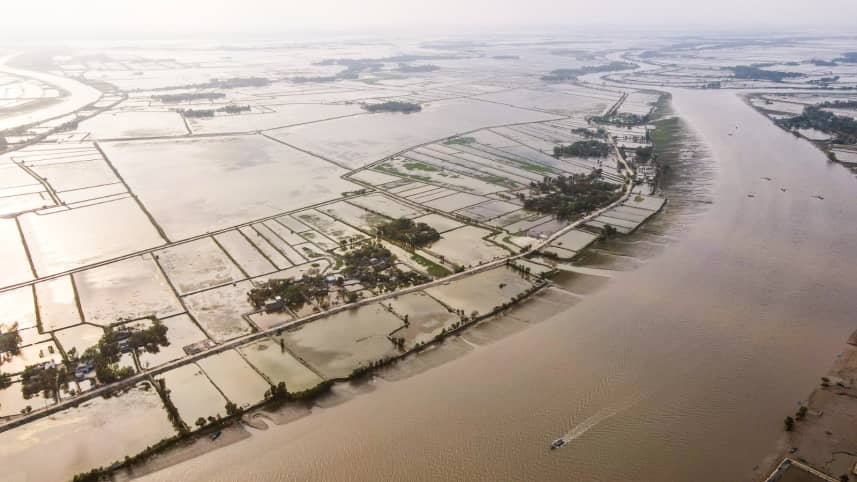
Salinity creeps deeper into southwest
15 Aug 2026, 10:55 AM - Opinion
Britain and America's 'Special Relationship' Is a Myth Built on Power, Not Partnership